
In conversation: Danuta Kril
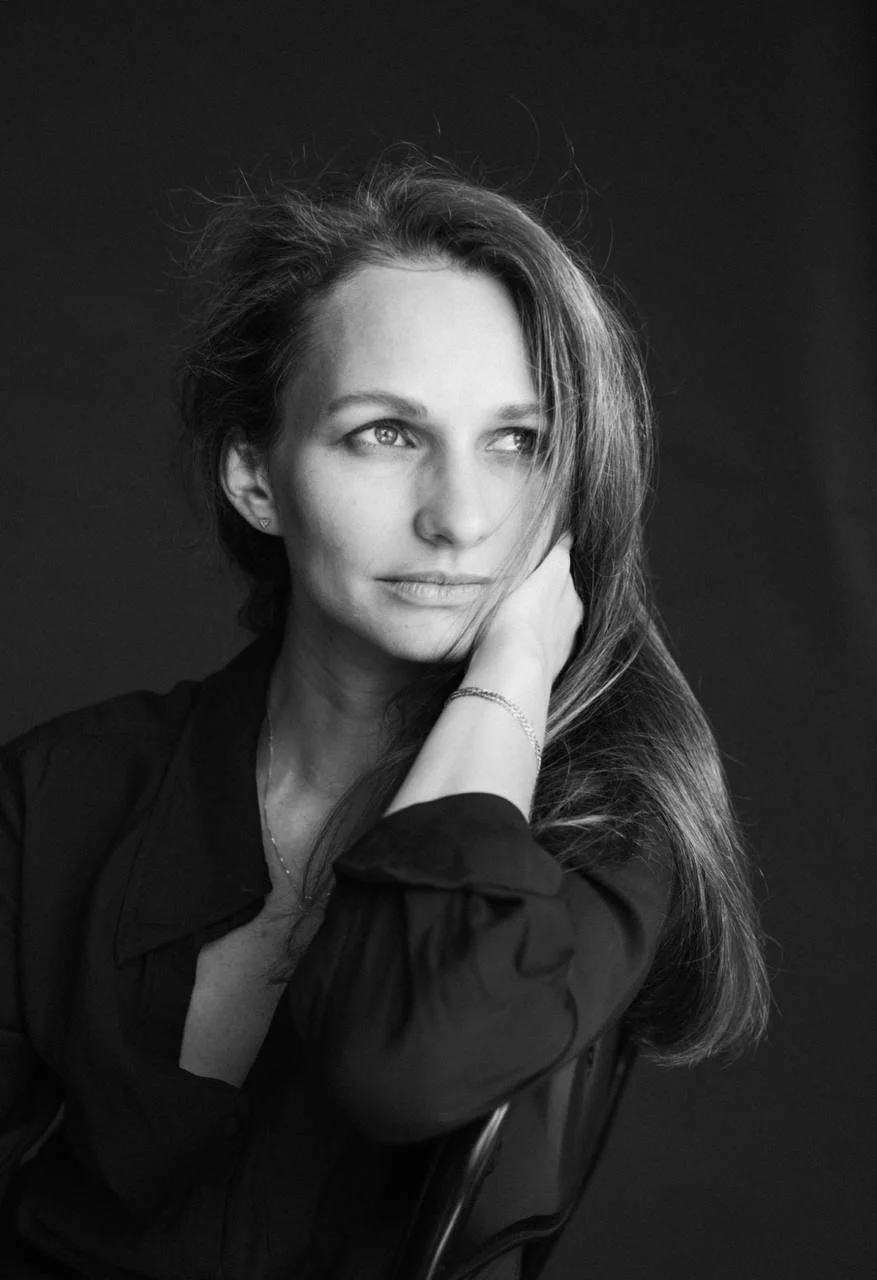
Danuta Kril is a multidimensional designer, entrepreneur and mother from Lviv, Ukraine. Her early career as a furniture designer, and later as an independent interior designer won her recognition in Ukraine and internationally. In 2012 she became a partner at Hochu Rayu Design Bureau — a design studio specializing in urban, retail and space design — that works based on the “firm conviction that the path to dreams is the creation of our own paradise on Earth.”
In 2020 she launched the Guculiua project, which unites contemporary design and traditional craftsmanship. Her current collection, Guculiya.TINI was short-listed for the Dezeen awards and has been presented in Paris, Kyoto, and Vilnius.
What inspires your work?
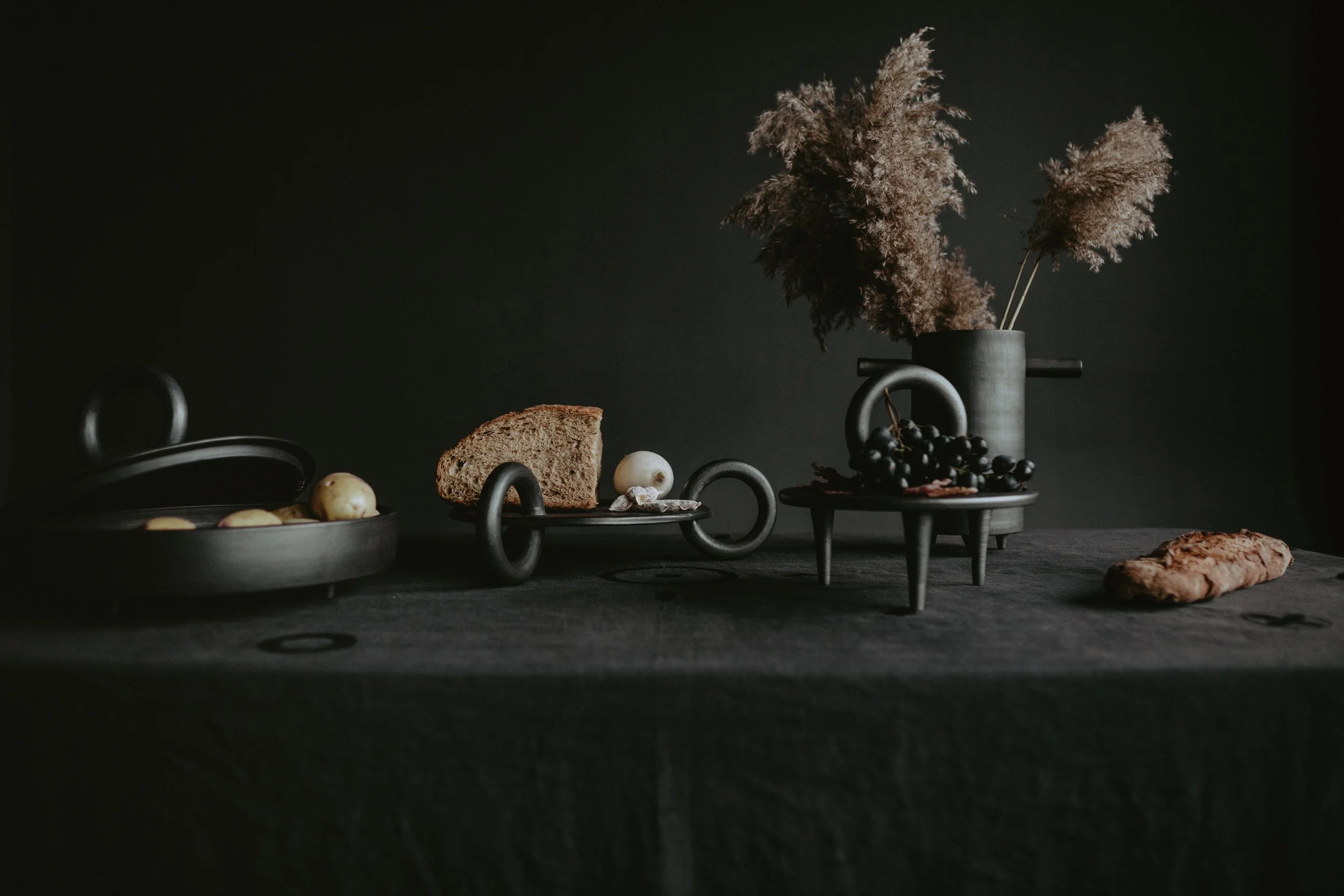
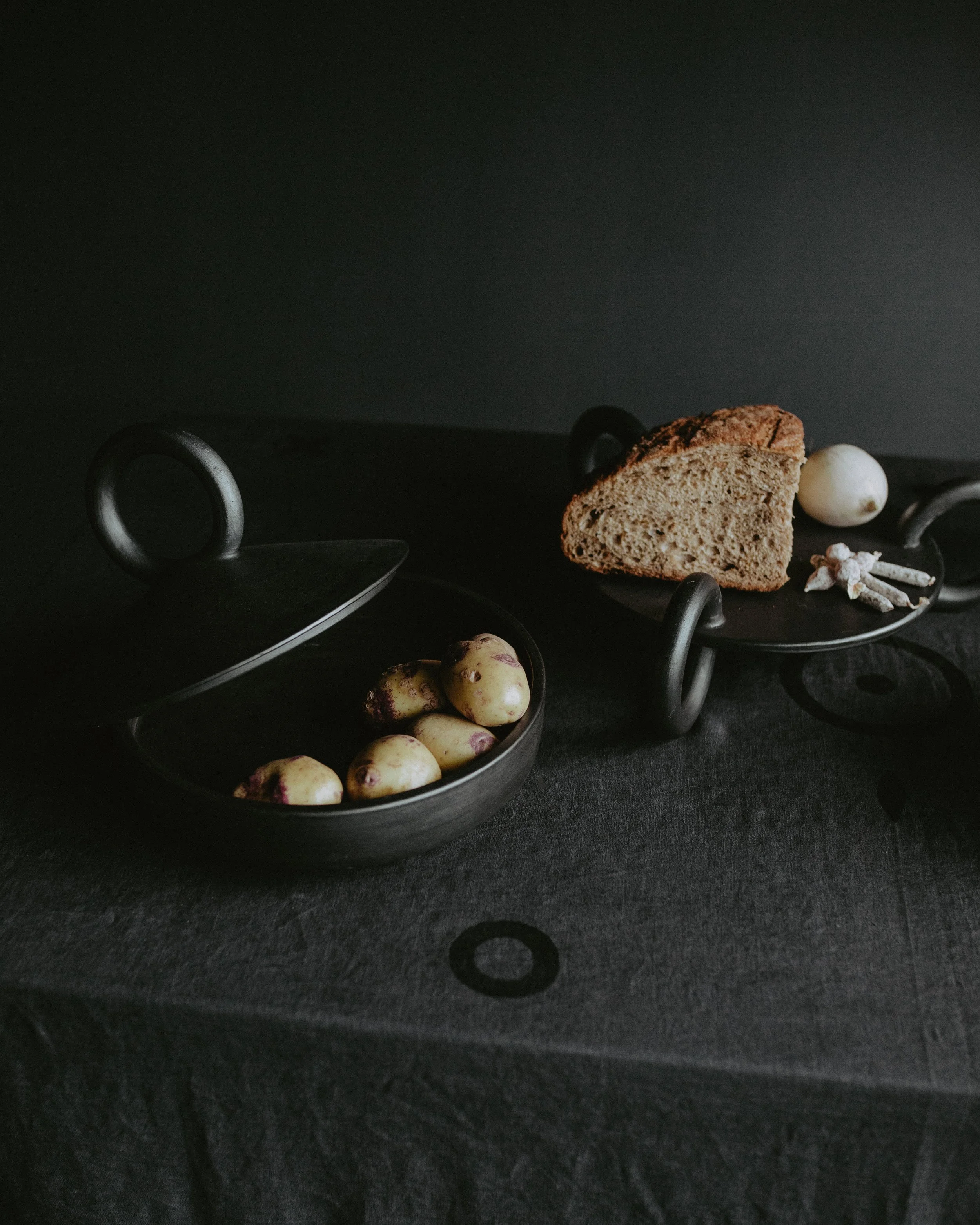
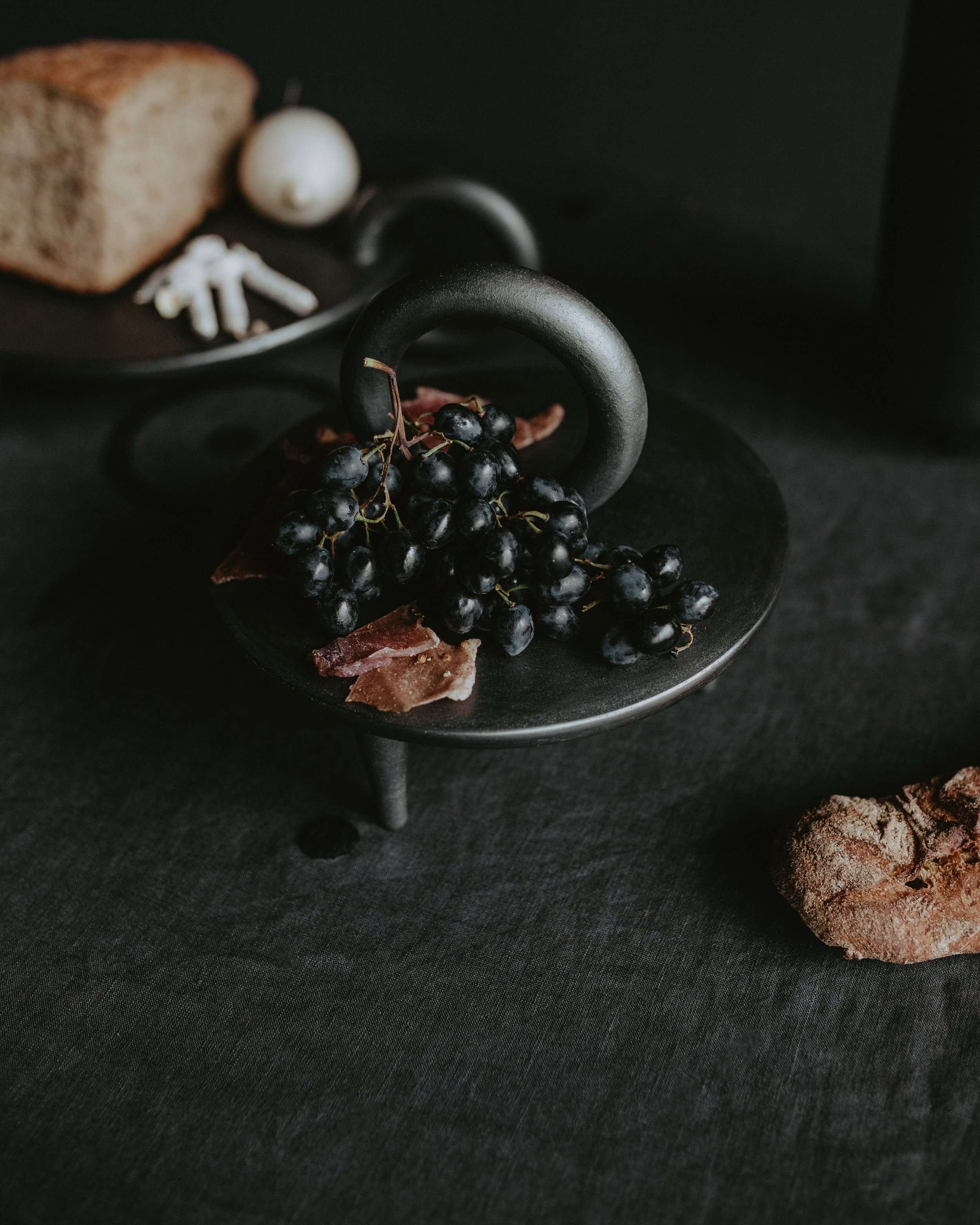
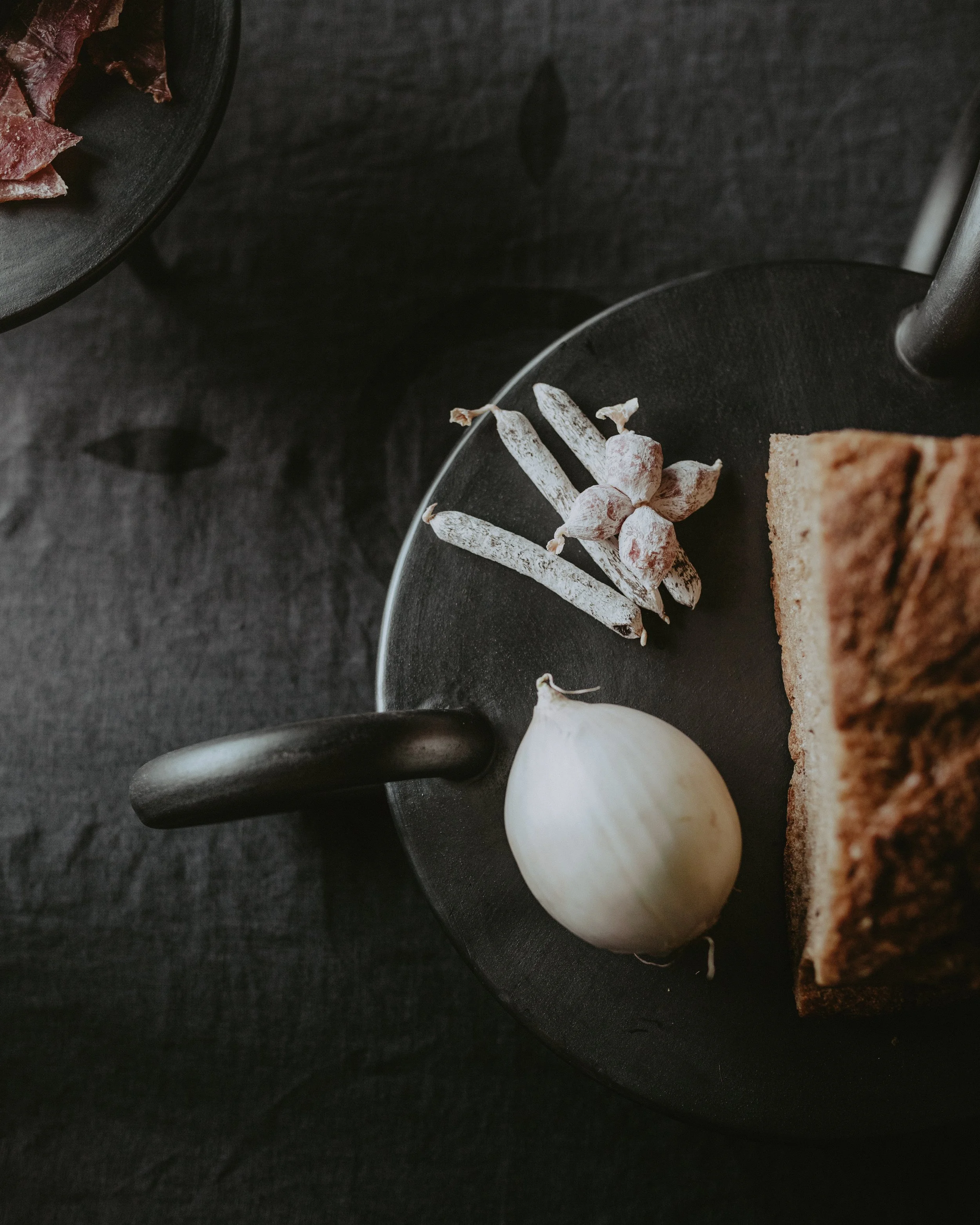
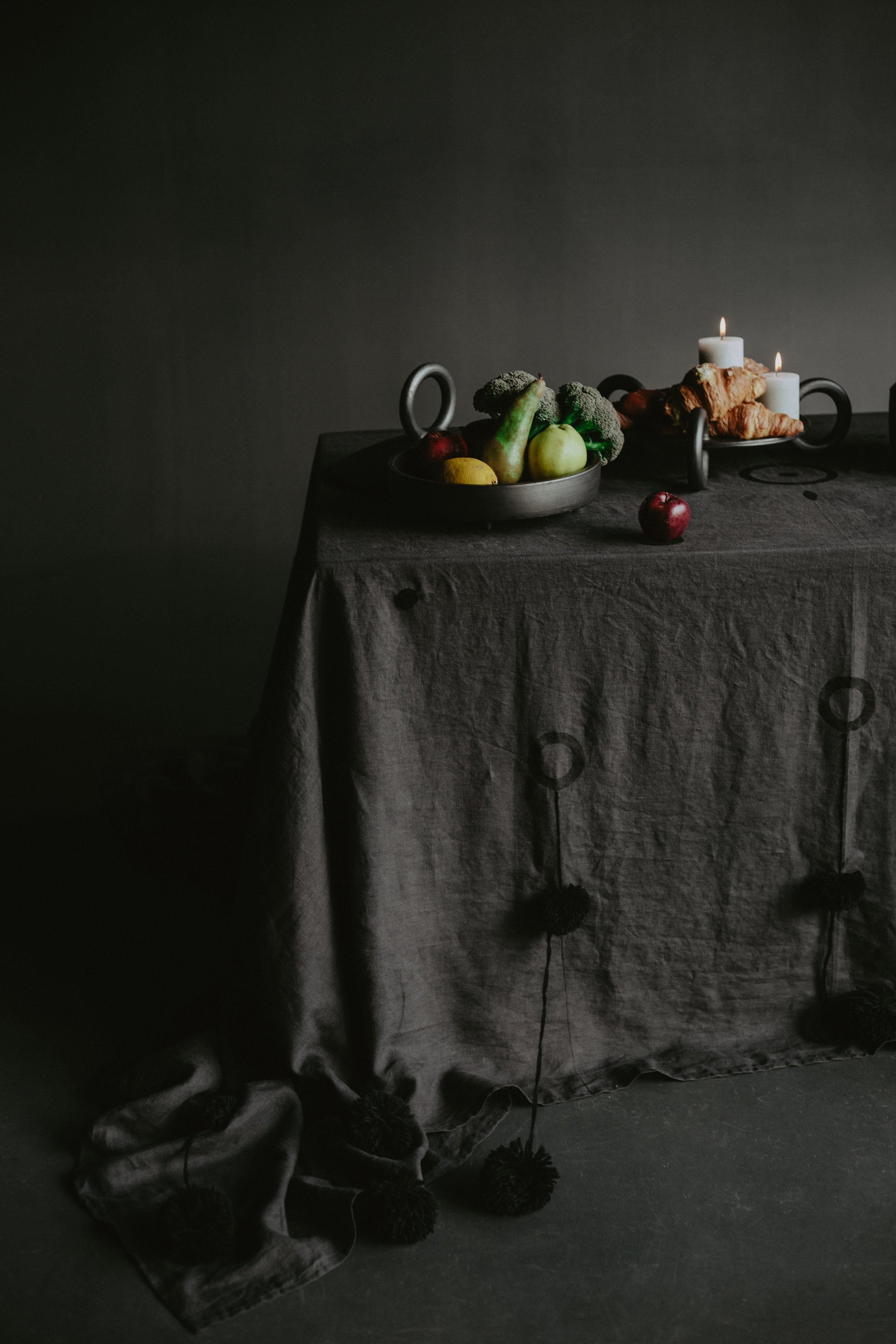
What inspires me the most is the chance to become a one more link in the chain of Ukrainian tradition, and to feel that the people around me understand its value. I have been fascinated by the history of Ukrainian culture for a long time and always wanted to find a way to create things that would continue this chronology in the modern context. This led me to black-smoked pottery. It is at once ancient and contemporary and allows me to reinterpret Hutsul design archetypes into modern, minimalistic forms.
What do you wish the world knew about Ukraine and its culture and design?
First of all, I want people to discover it for themselves - to uncover the authenticity that has been overshadowed by the "Russian world". I would like them to understand that had Ukrainian culture not been systematically destroyed for generations, we would have developed and contributed an even more unique and authentic culture to Europe and the world. I hope that people begin to study Ukraine’s prominent artists, who created at the same caliber as the ‘great’ global artists of their time despite persecution and oppression.
How did the war change you? How have these feelings evolved as the war progressed?
When the war began In 2014 after the Revolution of Dignity, I was shocked. But then I realized that we must continue because our creative work is our own battlefield. We contributed by creating posters and objects of protest like the fan favorite “putin-kaput” plaster figure that one could blow up by lighting the firecracker in its head. The last tragic days of the Revolution, when so many tragic shootings happened, coincided with an international design exhibition in Kyiv. Hochu Rayu presented a ‘feedback dinner table’ - a conceptual design which showed how the information that we consume leaves a permanent trail. It turned out to be a potent message, given the misinformation that has surrounded the war.
In moments like this, you begin to question if design is needed. But it’s only with the perspective of many years that you realize that it is through design, through heightened empathy, that we can begin to rewrite narratives, shape new values and create meaning for society and the world.
However, since February, a second wave of shock has come over me and now it is much more difficult to continue working, both emotionally and physically. For example, we can no longer buy clay in Slovyansk (a city in the Donetsk region of Ukraine), because it is in the war zone. Now we struggle to fire our ceramics due to constant power cuts.
But we will continue anyway. We will adapt and we will not stop.